Saturday, 1 June 2013

The first day of summer

For me, June is summer. Any definition of the season that says more than half of this month is in spring makes no sense to me.

And it has certainly felt like summer today. There was a cool breeze, but it was sunny most of the day, and in sheltered spots it was very warm. The garden was full of insects, and the summer flowers are taking over from the spring ones. Here's a selection of shots from the front garden - which has, mostly of its own accord, developed a colour scheme of pinks and purples, as it does at the end of spring every year now.


A rare wide view of the garden. Here you can see self-sown red valerian in the foreground, which grows as a weed here, but fills gaps in concrete and walls very usefully, and provides colour and nectar, attracting butterflies, for months on end. Lower left are chive flowers; mid left is the structure I built for my peas. In the background, you can see harmonious purples of alliums, tulips, and columbines.


The above three pictures are the alliums I planted round the base of the quince tree. This is 'Purple Sensation'. Note the pale blue self-sown, but transplanted, forget-me-nots in the background.


The tulips 'Black Parrot' have held on for nearly three weeks. I will definitely be planting more of these for next year.


I planted a quince tree just over a year and a half ago. It's doing well and is covered in blossom, which looks great - pale pink cups - but doesn't smell very nice. I'm hoping for fruit this year.


The ornamental lilacs form the middle of a loose hedge, giving some privacy from the road in summer. This year blossom has been less abundant, but I'm not sure why. It is still pristine, and gloriously scented.


More alliums - this time I think is A. christophii. I planted them around 8-10 years ago, when I completely replanted the front garden, and they have returned in greater numbers every year since - this time, there are around 10 flowerheads, though they are never as large as newly-planted bulbs.


The purple-podded peas have grown fast, and are now about three feet tall. They betray their variety with splashes of crimson, like here, where these leaf-like projections meet the stem.


I didn't harvest all the garlic I planted the winter before last, and it started to regrow. So this spring I transplanted them, and they have continued to grow. This one has begun to flower - forming a 'scape'. I harvested this (which prevents the bulb becoming exhausted) and chopped it into pasta. The peas have been using it as support.
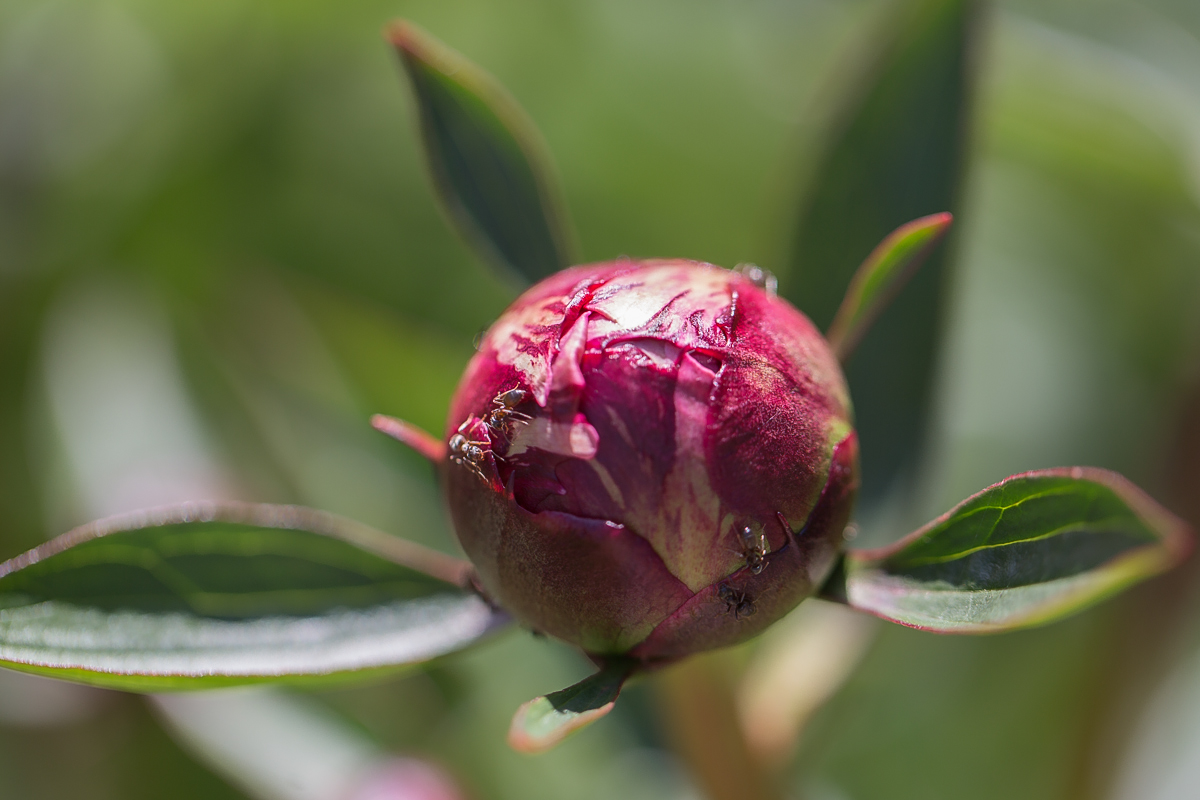

The garden's next star - a peony - is nearly ready to open.


Aquilegia (columbines) are native to the garden - they sow themselves around every year. They are probably descended from cultivated varieties I've grown in the past, but they tend to revert to this classic, deep purple, or sometimes pink. Their time is short.


One last allium - chives! They are just as pretty, and the flowers can be used as a garnish on dishes, such as poached eggs.

Friday, 10 May 2013

Growth

This exquisite wallflower is in a garden just down the street - aside from raising my spirits every time I pass with its rich colours and sweet scent, it's inspiration for my own garden next year.

This is the best time of year to me. From mid-April to perhaps as late as early July, there's maximum daylight (increasing during most of that period), everything is growing - seeds sown germinate in days, perennials come into leaf, often into flower, and the garden seems to change visibly day by day. There's no hint of the decay to come, it's all positive - although weeds grow faster than the plants I've chosen, and the vegetable garden isn't offering much for the first few weeks.

 In my own garden, a second variety of potted tulip, 'Black parrot', is coming into its prime - totally different to the last one, equally luscious.

 Even the emerging buds are beautiful, the colour beginning at the ruffled edges, the central petals changing from green to almost lemon, before assuming their final burgundy hue.

I've been getting on with a few things. Mostly just tidying, removing dead materials left over from winter (hopefully any invertebrates have come out of hibernation), mulching, reorganising. But also, sowing - cucumbers, for instance - and repotting the flowers and vegetables I'd sown earlier in spring (chiefly tomatoes and cosmos). I've also taken inspiration from my first tulips (see previous post) and planted bulbs for later in the season - dahlias, lilies, and other tender exotics.

My cherries are in full bloom. The fan-trained tree usually flowers first, but both are at the same point this year, perhaps due to the delayed spring. The last sunshine catches the free-standing tree, while the rest of the garden is in shadow (the terrace, behind, needs a lot of work).

I also finally sorted a project I'd had in mind for at least a year - a pond. I have a large plastic 'pot' (it's a bit too big for that word to seem entirely appropriate), originally bought to be sunk into the ground and restrain a tree, but which has sat, full of dug-out garden soil, for a couple of years. At last I emptied it, then filled with water. I discovered a plant I've had on my windowsill for a couple of seasons, Houttuynia cordata 'Chameleon', will grow happily in waterlogged conditions, so I've floated it at the edge, secured by a wire (it'll either cover the ugliness with fresh growth, or I'll find a more permanent solution). I ordered three more plants, which arrived and were plunged in today - Butomus umbellatus (flowering rush, with lovely pale pink, allium-like umbels), Caltha palustris (marsh marigold, with lush round leaves, and bright yellow buttercup flowers), and Pontederia cordata (pickerelweed, with pale blue flower spikes).

H. cordata 'Chameleon' is both a culinary herb - prized in Southeast Asian cooking for its fishy aroma - and a very attractive foliage plant. Note the improvised wire support, and the lovely texture of the pond's surface.

 Aquilegia (columbine) season is beginning - this unusual variety has self-sown into a neighbouring garden. Sadly they don't come true from open-pollinated seed, and the ones that return every year in my own garden tend to be plain purple or pink - though still lovely.

 But at last, one local self-sown plant has made it to my garden - Meconopsis cambrica. Unlike its Himalayan relatives, this native poppy has orange, or occasionally yellow, flowers. Delicate, and lovely - I'm glad I didn't weed the driveway recently.

Tuesday, 7 May 2013

Payback


When I returned from my week and a half away, things had changed. It felt like the time of year at last - everything had grown, the trees and shrubs were bursting into leaf, dandelions were blooming everywhere, insects filled the warm air.


Here is the essence of the season, the highlight of the current garden, and the biggest inspiration at the moment: my first tulips are in bloom. In fact, a single 'Purissima', a bag of which I bought for 30p two and a half years ago, planted in pots, enjoyed, dug up, stored, and replanted in haste last April, has returned - a single perfect cream bloom. But the ten pots I filled back in January have started to flower, so I thought I'd share:


This variety is 'Apricot Beauty', and what a beauty it is. Pale pinkish-peach, lightly streaked darker pink, perfectly formed and with a luminosity that looks good all day long, whatever the light and weather. They won't last long, but they are exquisite right now.

Thursday, 25 April 2013

Spring at last

So I did the typical blog thing of saying I was back, and then disappearing for a few months. But not to worry, here's an update.

Spring in the UK was severely delayed, with unseasonably cold weather holding on into April. So a lot of sowing, planting, and flowering was held back, although it may end up having been of use - the weeds have been slower growing, and fruit trees may produce a better crop, if the summer is reasonable.

Here are a few photos from around the garden, taken a week ago (I'm away at present). Hints of life.

First, the tulips I planted back in January. I got ten pots done in the end, which was only half of the bulbs I had (I ran out of containers):


Perennial herbs are sprouting. I have a large lovage plant, which produces intensely savoury leaves for stews and sauces. I've never noticed before how pretty the emerging stems are, though:


And mint. I split a Moroccan mint plant into four last year. One pot went outside, where it was massacred by snails, and the other three thrived in the greenhouse, but ultimately died. So the outdoor one won, and will be split shortly so I can ensure a large enough crop this summer:


(There's also a lemon balm, which is doing well).

I have two cherry trees, entering their fourth spring. I'm hoping at last to get a crop from them this year, but flowering is two or three weeks late. The buds are still tight:


Sowing indoors has continued despite the weather. These broad beans are the best I've grown, strong and healthy, and ready to plant out (and there are some more purple-podded peas, lower left):


And my tomatoes. I didn't sow them until the start of the month - scandalously late, considering I started them in mid-February last year. But they should catch up by midsummer:


Wednesday, 23 January 2013

Starting again


Clockwise from top left: a handful of bulbs*; labelling is important; the first pots on the terrace, with sticks to prevent cats or birds disturbing them; another pot ready to be topped with compost.

It's not too late to plant tulips.

It's the middle of winter now. All the experts, books, television and radio programmes recommend you plant spring-flowering bulbs in late summer and early autumn, from the end of August to maybe November in the UK. But I never seem to get round to it until January or February. Last year, I was organised enough to choose and order the bulbs I wanted at the 'correct' time - they are only listed in catalogues at that end of the year, and there were specific varieties I wanted. But they have languished in their box since they were delivered. Not to worry...

Last year, and the year before, I planted tulips very late. In 2011, I only got them into pots just before I flew out to Iceland, in mid February. Partly this was because I bought some of them after the new year, when their price had been reduced in the local budget shop to 30p a bag. I wasn't sure what would happen.

But they bloomed magnificently - the cheapest ones did best, in fact. Here are the variety 'Purissima' at their peak:


I planted them in pots as in previous years I'd failed to get flowers from tulips in the heavy, often waterlogged clay soil here. They much prefer free-draining soil, and thrived this way, but there was an added advantage - I could move them around the garden. I kept the pots on the terrace, which is the highest and sunniest place I have, so they could bake in the sun and not get waterlogged, until they were ready to flower, then I moved them to where they looked best - and where I could enjoy them better.

I'm not the only one who does this (Carol Klein plants dozens of pots of them). It worked so well, I will always use tulips this way now. And here we are, in January, and I'm only just starting again.

However, last year I had some tulip bulbs from the year before that I had dutifully removed from the soil, and kept indoors, in the dark. I didn't plant those until... late April? And yet they bloomed - in the ground this time (I put them in amongst other flowers, in a bed set aside for that purpose), at the end of May. They are irrepressible.

It's been snowing this week. A period of cold weather is important for triggering spring-flowering bulbs to bloom properly, so for best results you should plant before the onset of warmer weather, my 2012 experience notwithstanding.

So this is how I'm kicking off the 2013 gardening season, with something easy - the bulbs will require no more help from me now - and with fairly quick results. After I have tidied - the garden has been left fallow, let's say, which has suited the birds that forage through it, but now I must use this time, before the weeds regrow, to remove what's no longer wanted, sweep, prune, wash, repaint - sowing the year's crops can start.

*Note, some people will suffer allergic reactions when handling bulbs without gloves. It happened to me recently for the first time. If in doubt, don't touch them with your bare hands.

Monday, 30 July 2012

The "allotment" at four months

Yesterday was bright but breezy, the sky full of all sorts of clouds, but enough blue to coax me out. Still, it's felt rather autumnal this weekend, with disconcertingly little heat behind the sun. I went over to my friends' garden, to revamp the raised bed, harvest the carrots and onions, and sow root and leaf crops for the next few months.

It was a great few hours - chatting to my friend as we picked blackcurrants, sorted and tied up onions, weeded and raked, fed and sowed the bed with turnips, perpetual spinach, beetroot and more carrots.


My friends had success with runner beans last year. This year, they are growing a pretty, buttery-flowered variety, fading to white, but it's been wet, dull, cool, and the plants have been covered in slugs - the biggest I've ever seen. Nonetheless, they survived, and have started producing pods. Small pots of sweet peas, on either side, gave a modest posy of cut flowers - large, white, the edges tinged with lilac.


Blackcurrants! There are two patches in this garden, both many years old. I did some remedial pruning in the spring, but otherwise they've been left alone - still they have produced a large, healthy crop. It took a couple of hours for us to pick them all - sticky work, but worth it. Before I left, we made a bottle of cassis - simply breaking down a small bowlful of fruit in a pan with a dash of water, passing through a sieve, adding sugar and alcohol (white rum as it was to hand) to taste. The rest were frozen on trays, so they can be bagged up and kept for later use.


When I tested the carrot crop two or three weeks ago, I was not impressed - they seemed small, forked, and some were nibbled (slugs had taken off the exposed tops). I left them in the ground, since we had nothing to lose, and I hoped they might swell a little more, but by yesterday I was anxious to get the ground resown with something I hoped would be more successful. What a surprise - the bed was full of carrots, many straight(ish), reasonably thick, unblemished, and fragrant. I took a bagful, and my friends got even more. So this is my first true carrot crop, after years of failing. Not as regular in appearance as supermarket examples, but they have an intense aroma that is unbeatable.


You may recall I sowed some red basil back in the spring. My friends have diligently potted them on and kept them watered, and now they are in full bloom - so they are at the end of their productive life (although there's still time to sow a fresh crop), but they filled the greenhouse with scent, and were beautiful enough to have been used as bedding plants. The foliage has gone an interesting two-tone purple and lime green combination, and they are topped by tall spikes of pale purple flowers, which would attract pollinators if they were outdoors. I took some leaves, which should be tender and fragrant enough to eat.


The onions were a reasonable success too. For £1, we got around 40 sets, and most have swollen into medium-sized bulbs. One or two had flowered, reducing their size, but the best were hung up to dry in my friends' shed. It's a good idea to 'cure' them like this, somewhere airy and out of the rain, if you want to keep them for a long time. The leaves with shrivel, the outer skin will go papery, and they should enter dormancy. They are perfectly edible now, of course. Note, the onions I planted in the shadier raised bed (below) are still growing, so I've left them in for now.


My friends' garden has some old fruit trees, which tend to produce a harvest only every other year at best. The smaller apple tree is currently laden with blushed fruits (above), while the larger tree, which yielded a very tasty if bone-dry cider two years ago is having an identity crisis, producing spurs of blossom in July, while a generous crop of fruits swells around them (below).


Finally, there are crops still to come, like blackberries. The brambles above are very well behaved, arching over a boundary wall, and gave a handful of ripe fruits yesterday - the first to ripen is always the one at the tip of the spur. There should be a good-sized crop, so long as it doesn't rain too much over the next few weeks.

Tuesday, 24 July 2012

A time of flowers: July part II

Continued from part one...


An unusual source of reliable plants has turned out to be the local greengrocer. He has a range on a couple of small tables out on the pavement in front of the shop, depending on the time of year. I got some lavender from there last year, which has thrived. Recently I saw a pot of mixed Achillea (yarrow), and I had to get it - they were in shades of faded pink and white, and huge (two-three feet tall) for not much money. I popped them into the front garden, in a gap left by the foxglove that had reached its end, and here they are - a lovely hint of cottage garden, and great for pollinating insects.


I have two large Buddleia davidii forming part of the 'hedge' between my small front garden and the road. This year, the deep purple one has grown to its largest size yet - from street level, around ten feet tall. I pruned it quite hard a couple of months ago, but left the tallest stems, as I wanted it to form a sort-of tree - I've seen them trained in this way elsewhere. It's just coming into bloom now, with its unmistakable bready scent, beckoning bees and butterflies.


More nasturtiums - this time mustard yellow. I've never seen this colour before, and although in principle I should hate it, I don't - it's another splash of brightness.


The dominant colour is red, however. Towards the bottom of the picture above, you can see the fluorescent orange that is for me the quintessential variety, but most are a deeper scarlet or blood red. These are all self-sown offspring of last year's carmine variety.


Two plants I sowed into modules were Nigella and Ammi majus (I also sowed them direct into the back garden flower bed). I planted some out under the tomatoes that went straight into the ground in the front, and though small, they are now flowering. What delicate patterns and colours - seen here amongst the leaves of a Cordyline that grew of its own accord a couple of years ago. There are mixed blue Nigella too.


My favourite rose of all time - Rosa gallica versicolor (syn. R. mundi). As with 'Albertine' in part one, this single-flush flowerer has lasted much longer this year, even producing more buds as the first flowers faded. The bright, striped pink flowers are heavily scented - a good, old fashioned rose smell. Perfect for liqueurs, syrups, and crystallising.


A landmark of the year - the first tomato truss! Yes, they're late this year - I planted them later and the weather has been even worse than in 2011. Still, they are growing fast now, and fruit is on the horizon.


Finally, my greatest sense of achievement this month derives from the sweet peas. Grown from seed, in pots in the greenhouse, sown in April. Three 19th century varieties, 'America' (the red and white striped ones), 'Beaujolais' (not pictured), and 'Senator' (probably the lilac ones) have all thrived and are romping up cane pyramids. They have all the scent you could hope for, and seem to embody the English summer - delicate, short-lived, fragrant, bright. I will pick them to prolong flowering - here they are in a shot glass that makes a good small vase.